We have exciting news to share: Grand Teton National Park has approved a separated multiuse pathway along the Moose-Wilson corridor.
On August 14, 2026, the National Park Service signed an amendment to the 2016 Moose-Wilson Corridor Record of Decision, approving a pathway between Moose and the Granite Canyon Entrance and connecting with the pathway network beyond.
For Friends of Pathways, this is a major step toward a longtime goal: giving people a safe and comfortable way to travel through this extraordinary part of Grand Teton National Park without a car.
Closing a Critical Missing Link
Once constructed, the Moose-Wilson Pathway will complete a critical missing link in the approximately 30-mile Grand Loop connecting Moose, Jackson, Wilson, and Teton Village—a cornerstone of the region’s world-class pathway network.
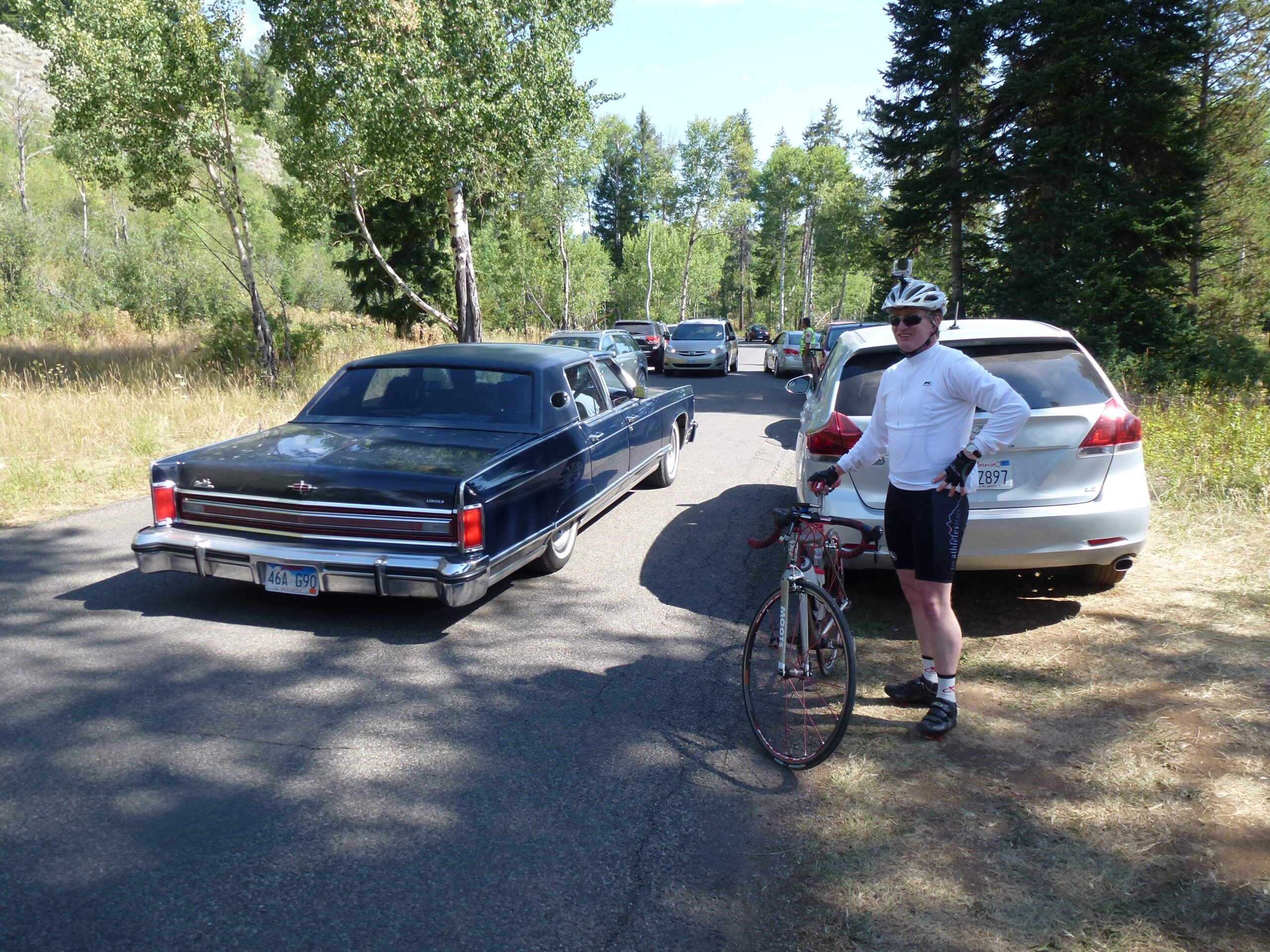
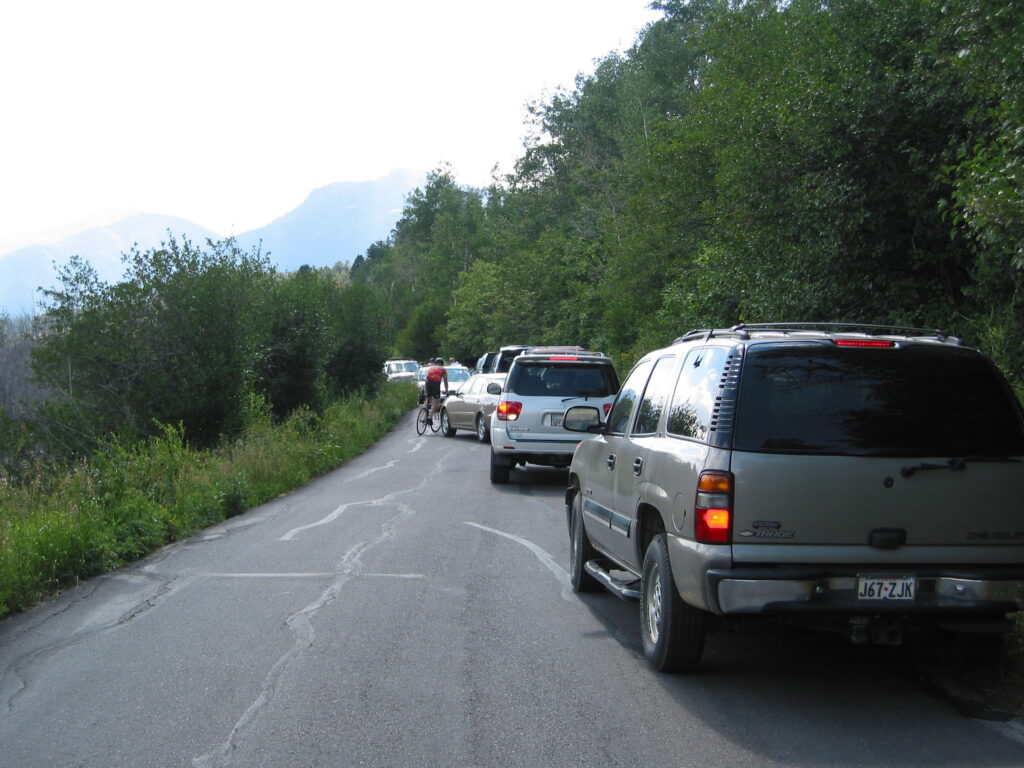
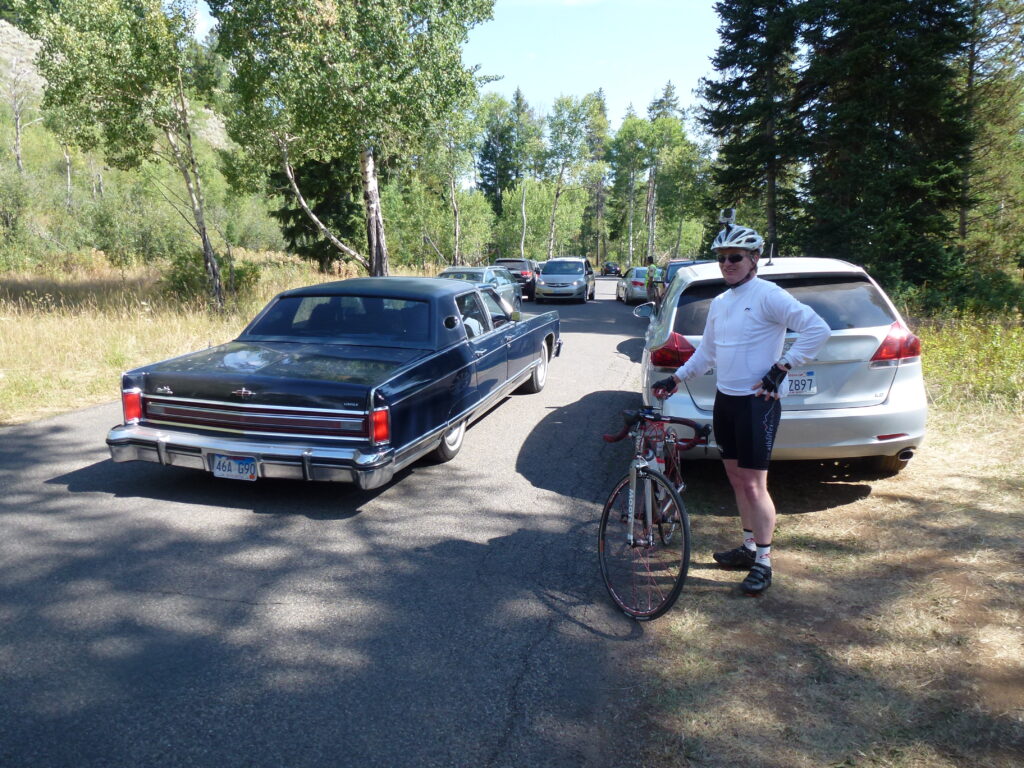
Today, people biking on Moose-Wilson Road must share a narrow, heavily traveled roadway with vehicles. Families, young riders, less experienced cyclists, and visitors who are not comfortable riding in traffic may avoid the corridor altogether.
A separated pathway will:
- Create a safer and more comfortable option for people biking and walking
- Reduce conflicts among vehicles, cyclists, and pedestrians
- Improve the visitor experience along one of the park’s most scenic corridors
- Provide an alternative transportation connection for employees, residents, and visitors traveling between Moose and Teton Village
- Make Grand Teton National Park more accessible to people of different ages, abilities, and comfort levels
- Support the National Park Service’s goals of improving visitor access while protecting natural and cultural resources
Restoring Habitat Along the Realigned Road
The amended decision also calls for removing and restoring approximately 1.3 miles of existing Moose-Wilson Road between Sawmill Ponds Overlook and the Death Canyon Road junction. A new 1.9-mile road alignment will be constructed east of the beaver ponds.
The pathway will follow the new road alignment as closely as possible. According to the National Park Service, removing the existing road will help restore wetland functions, reconnect wetland and shrub habitat with the forest to the west, and improve habitat connectivity.
Designing the Pathway with Care
Approval is a major milestone, but careful design will determine how successfully the pathway serves visitors while protecting the remarkable wildlife, wetlands, vegetation, and cultural resources of the Moose-Wilson corridor.
The National Park Service has committed to locating the pathway as close to the roadway as practicable, generally within 150 feet, to minimize additional disturbance and habitat fragmentation.
Experience from existing Grand Teton pathways demonstrates that carefully designed trails can coexist with wildlife when paired with thoughtful routing, visitor education, monitoring, and adaptive management.
As the project moves through design, Friends of Pathways will continue advocating for:
- A safe, paved shared-use pathway designed for walking, biking, adaptive users, and families
- An alignment located as close to the roadway as feasible
- Use of existing disturbed areas wherever possible
- Careful protection of wildlife habitat, wetlands, vegetation, and cultural resources
- Accessible grades and context-sensitive design standards
- Appropriate wildlife-management measures, including education, monitoring, and temporary closures when needed
Looking Ahead
The pathway could eventually complement future transit connections between Moose and Teton Village, advancing long-standing transportation goals for Grand Teton National Park and the surrounding community.
The corridor may also offer opportunities for compatible nonmotorized access during different seasons. Any winter use will remain subject to Park regulations, wildlife protections, snow conditions, and temporary closures.
Next Steps and Funding
There is still significant work ahead. The National Park Service will now begin developing a project timeline, conducting topographic surveys, and advancing the pathway and road realignment through detailed design.
Friends of Pathways will remain closely engaged throughout this process, advocating for a thoughtful design that prioritizes safety, accessibility, visitor experience, and protection of the corridor’s extraordinary natural and cultural resources.
We believe the project can be advanced through a strong public-private partnership, with meaningful private funding support from the community. Completing the Moose-Wilson Pathway will be a lasting investment in safety, access, conservation, and the future of nonmotorized transportation in Jackson Hole.
This is a big step toward a safer, more connected, and more accessible Grand Teton National Park—and we could not be more excited.